
I have looked into making several different animations to test the different ways they are made and the kinds of techniques they can use.
Illustrator is similar to Photoshop, but it uses Vector instead of Bitmap. This makes it useful to make animations with in Animate, as you can manipulate the image in ways you couldn't in pixels.
I had to test out different tutorials to creating images, and then I made this by copying the facial shape and colouring of a stock footage model so I could get some knowledge on how creating Vector images feels:
I took this knowledge to try to create some assets I could use in an animation. Even though I wasn't necessarily using digital animation, I still wanted to create an asset I could use, so I could get more insight on the topic.


In Animate, I practiced a motion tween on some shapes, so I could see how the style of Animation works on that app. This is what I made.
We used a camera to take some more professional pictures for experience. This is what my group took. This is a picture that represents a criminal, and the dark colours are sued to represent the hostility of the situation, which fits with the drab lights in the back.
In Photoshop, I also looked into stop frame animation. I tried moving the rays from the moon across the night, and this is what I managed to create. I have uploaded the finished result into the OneDrive because it wouldn't go into the website.

Final Cut Pro is a software similar to DaVinci that is paid for and functions slightly differently.
_______________
Using the footage that was given to me, I looked into creating a Road Safety video with sounds I downloaded from online. This is what I managed to make.
I also created this while trying to look into how to work around colour changing. The premise of this is that a couple are driving separately to go out on a date. They spend the night out, and then they drive home separately again. On the way home, one of them crashes, and it makes a parallel between the one that did and the one that didn't.
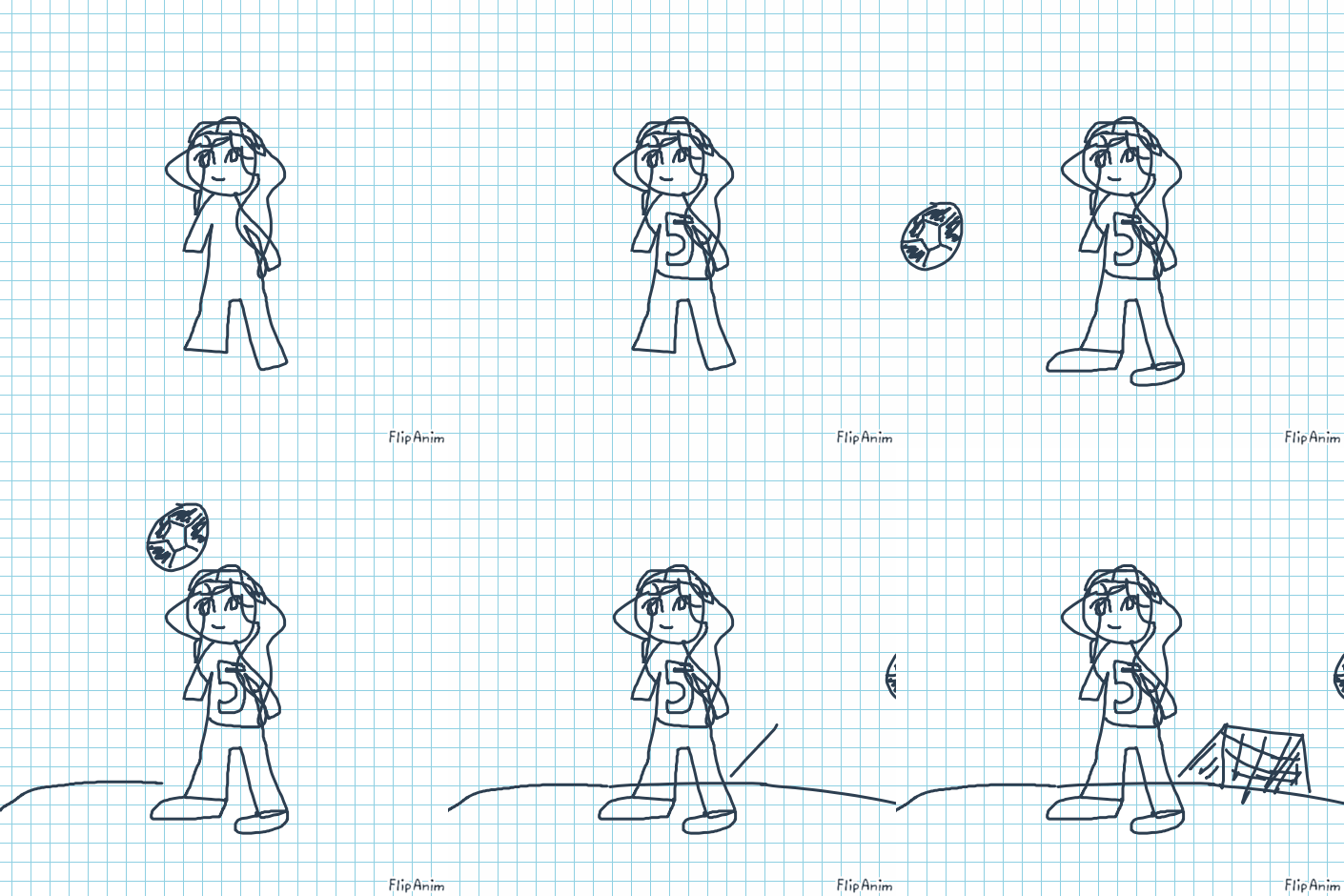
Staging
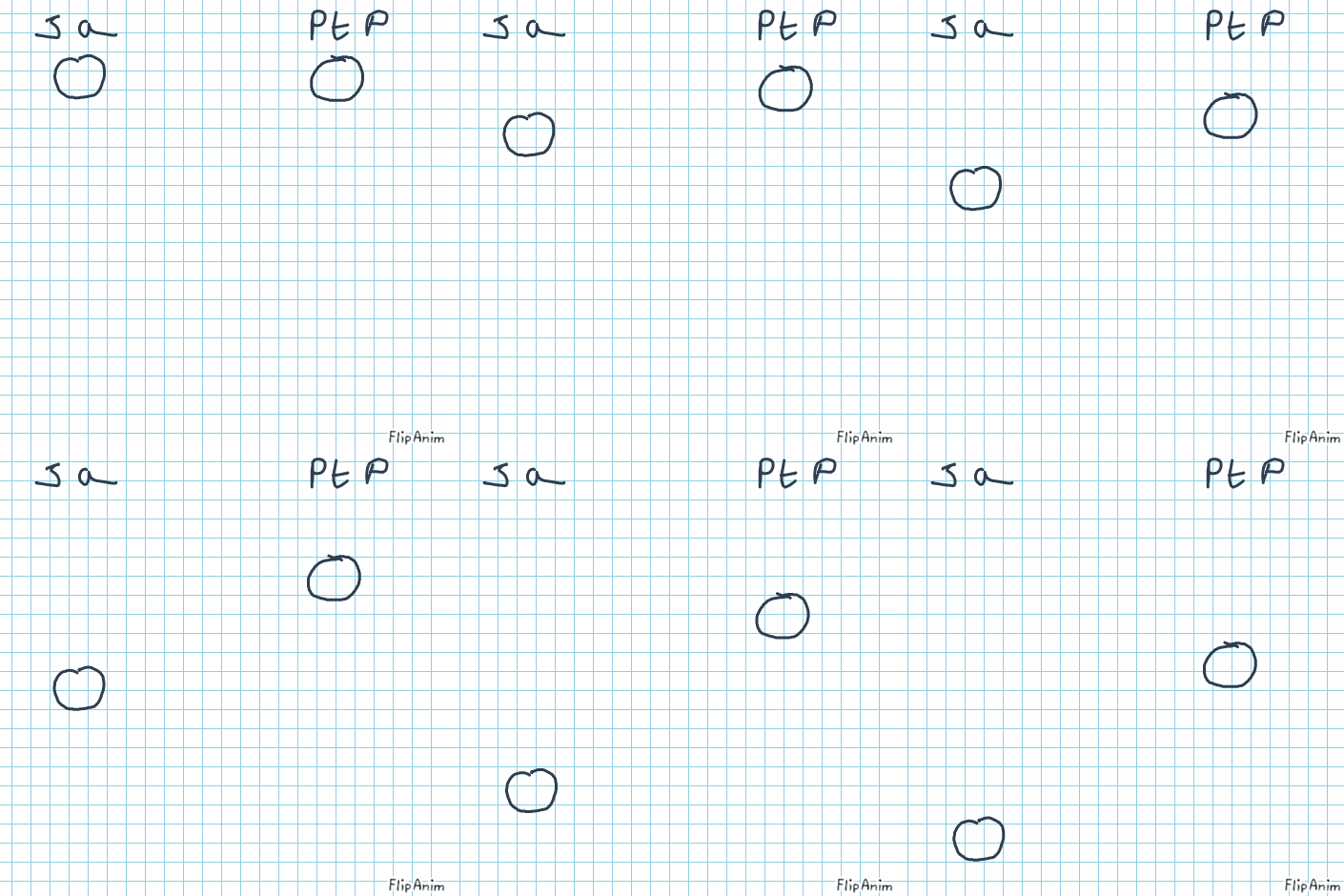
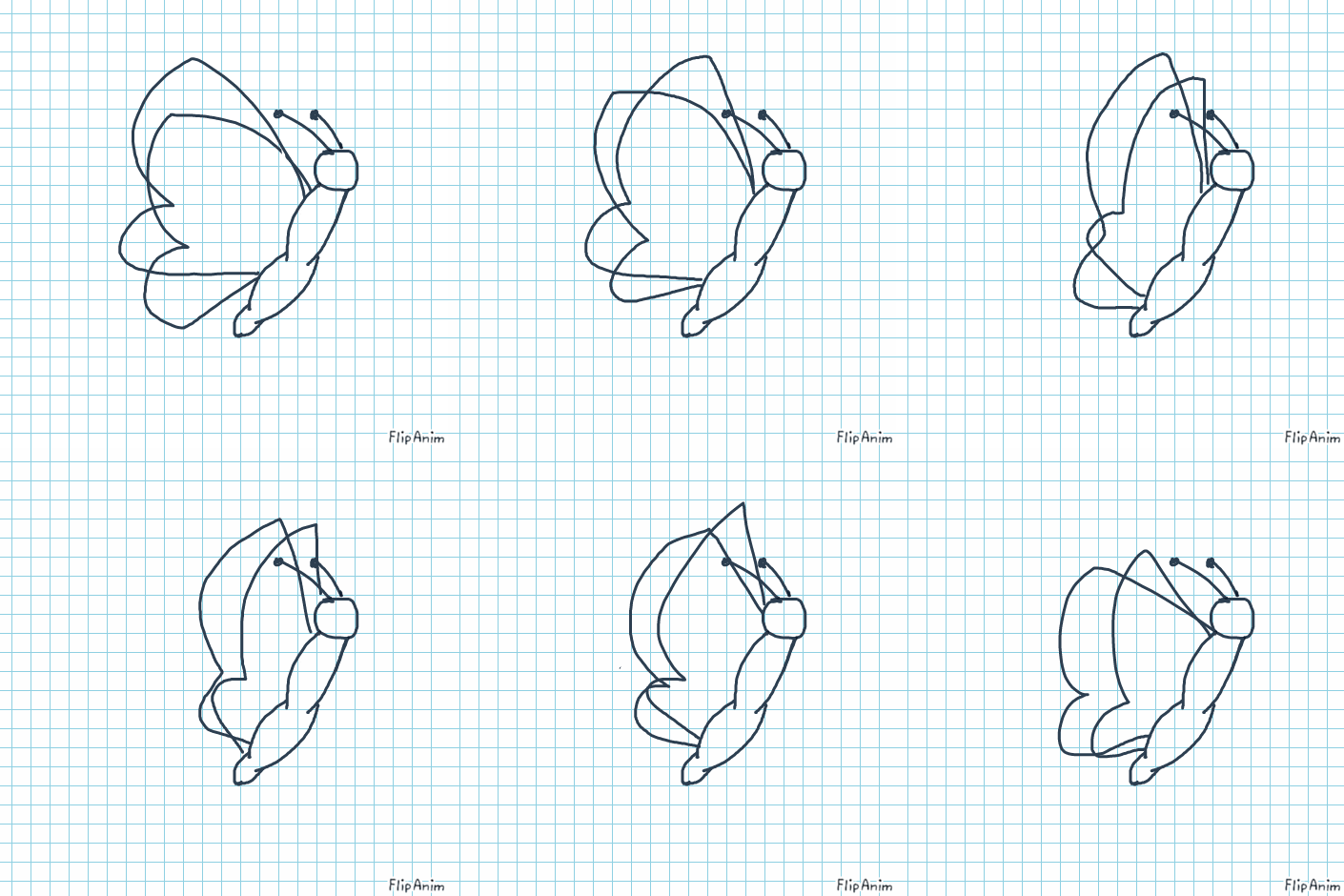
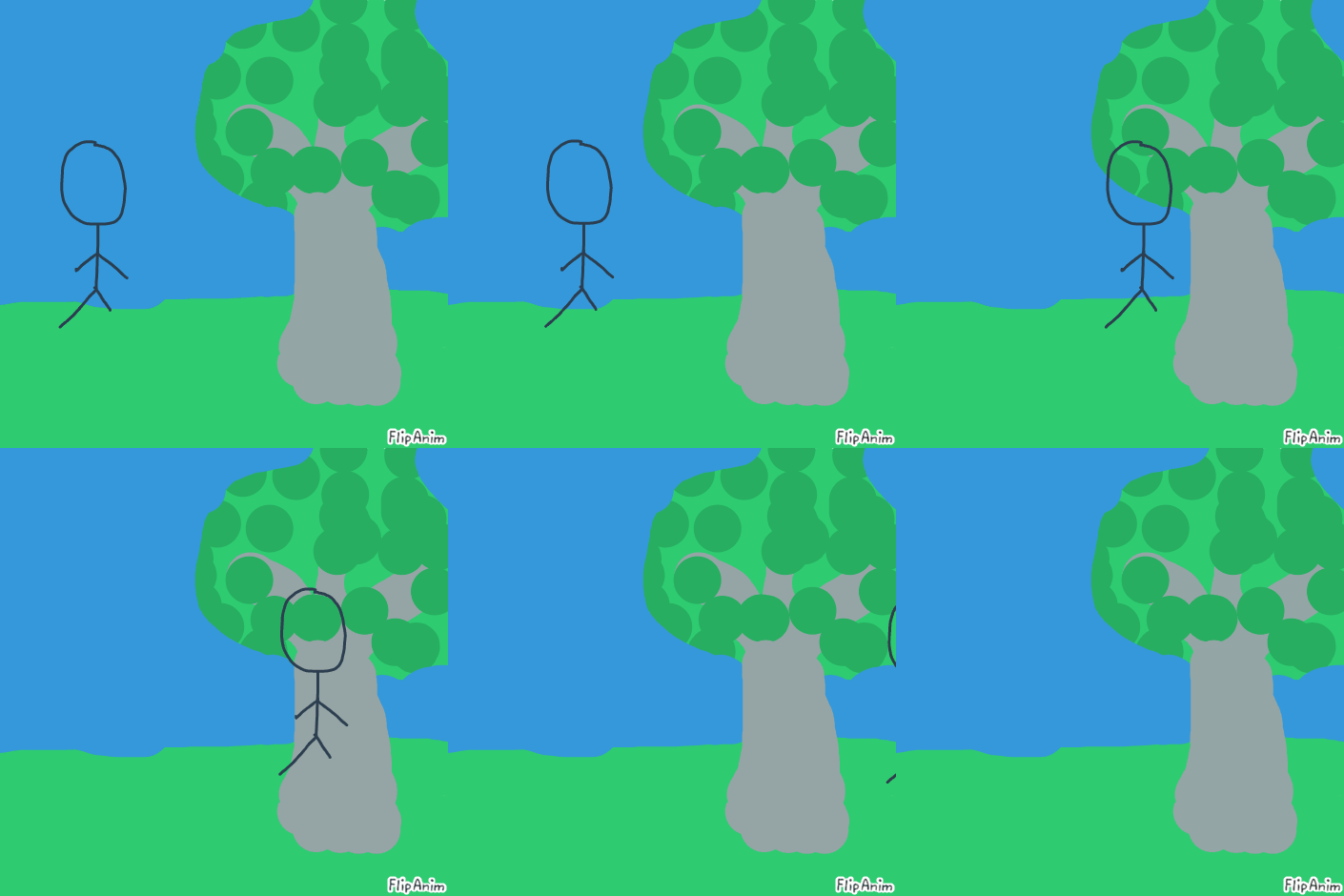
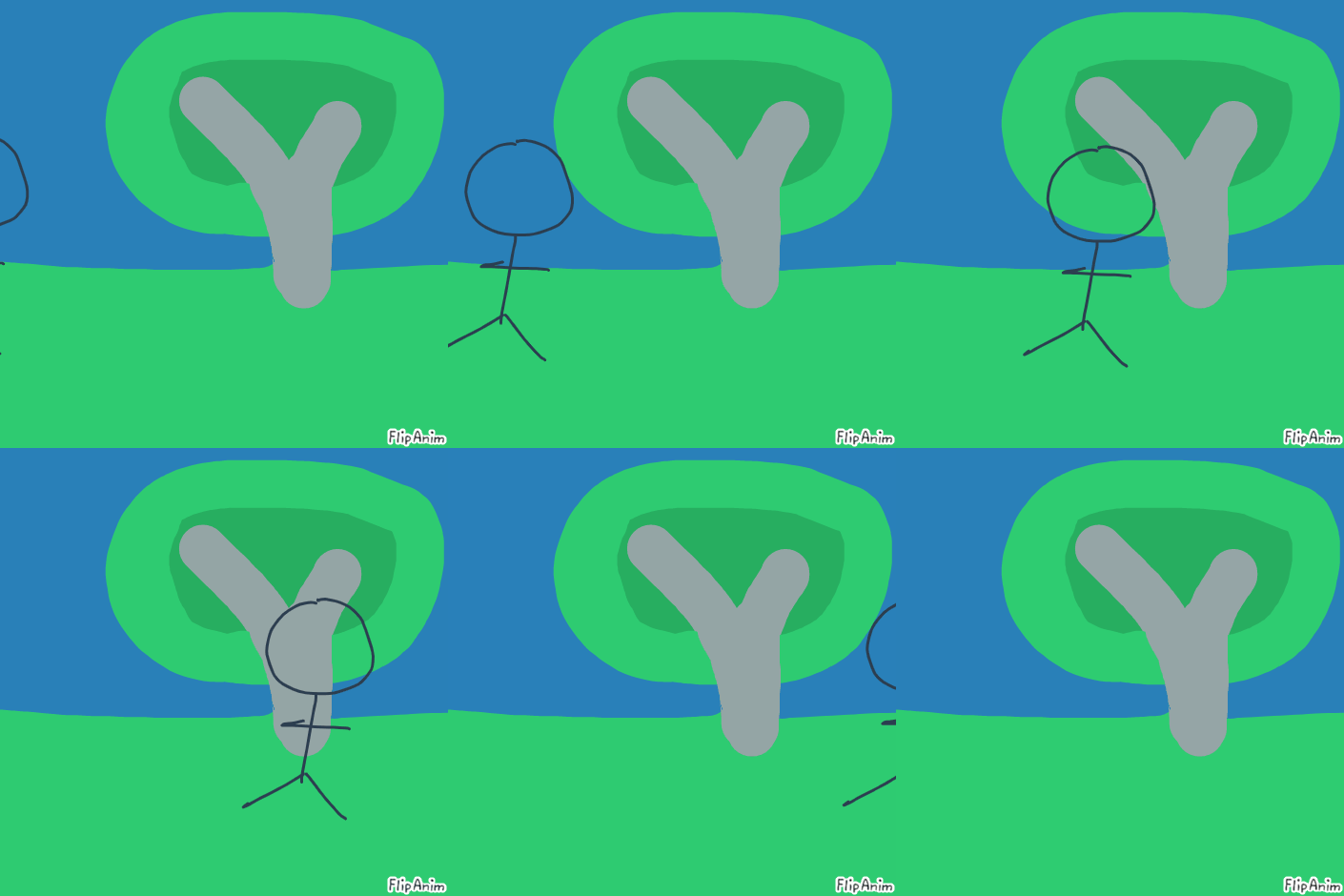
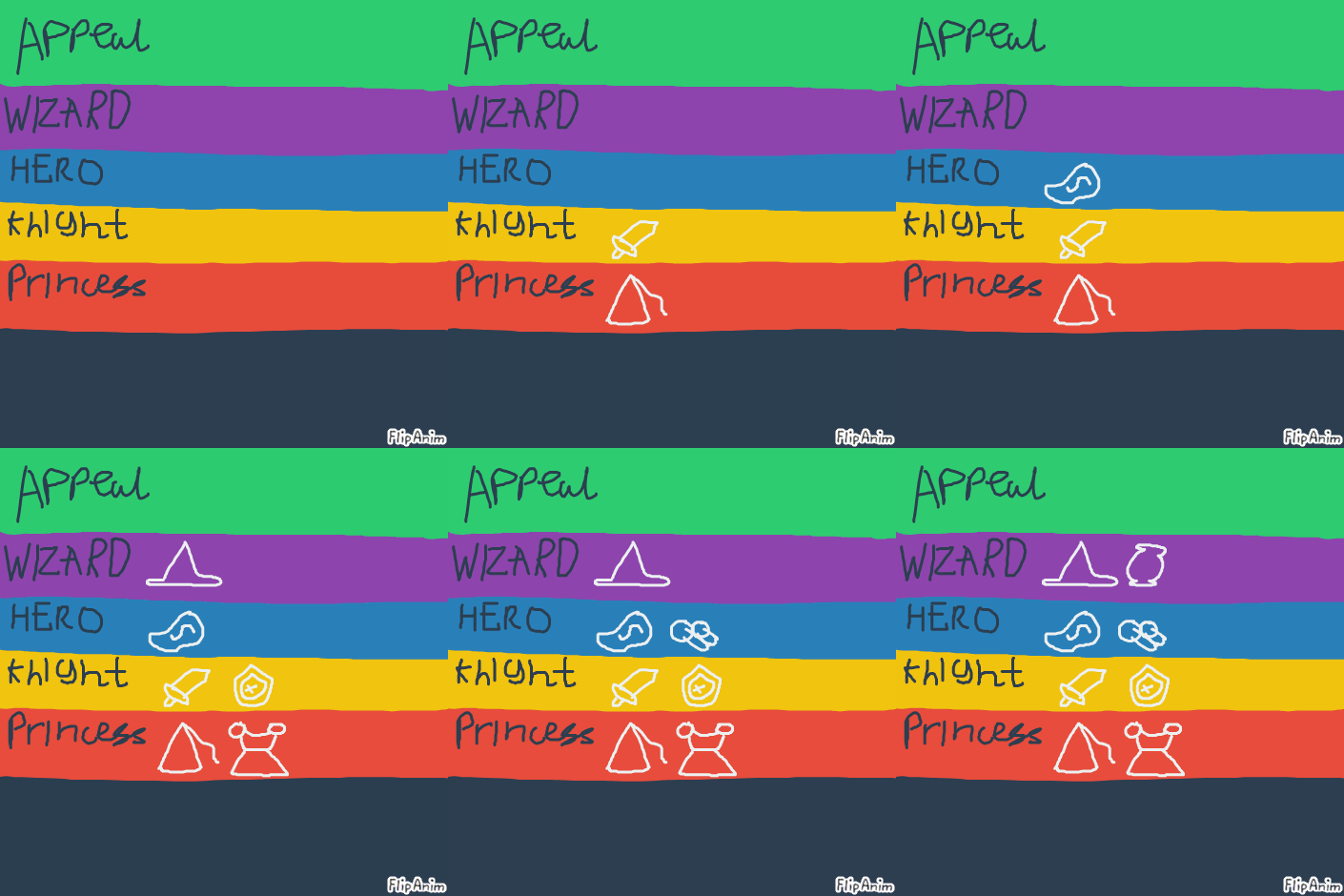
These are some of my attempts at portraying the 12 principles of animation for my own work. In order, they are: Staging, Straight Ahead Vs Pose To Pose, Stretch and Squish, Anticipation, Timing and Appeal. These were hard to capture as most are not obvious on the finished project, but I tried and this is what I managed to make out of it.
Pixilation Animation is a form of stop frame that involves taking several pictures of a slightly moving object to stimulate film. I have tested this method out by using my hands to stimulate a gun fight, and using Stop Motion Studio to link it all together. A major pioneer of this effect is Segundo De Chomon, who was responsible for creating Hotel Electrique.
In Hollywood industry, three-point lighting is the most common. This works around a Key light, which goes over the more highlighted sides of the face, Fill light, which fills in the darker parts of the face and Back lights, which lights up the subject from the back of it. This can be altered as the scene needs it to be, which makes different types of scenes for different movies.
Two-point lighting is similar, but with only two lights instead of one. We attempted to imitate a car incident using red and blue lights, using the colors to represent the police lights over the dead body. If we had done this professionally, we should’ve been taken In a dark room, but there wasn’t one available.

I used DaVinci to make my final project. For this, I used a film instead of an animation, and I made it by filming closeup parts of the car for extra effect. There will be more on this on the other page.
I'm a paragraph. Click here to add your own text and edit me. It's easy.
Before I settled on stop frame animation, I attempted to create my piece in film instead. These are some videos I took when I was considering doing this.
Cutout Animation is a form of animation made by using cutout bits of paper in stop motion. This is a style used in series such as South Park and was pioneered by *blank* in the video *blank*. This is what I have attempted.
I have made some storyboards to document how I wanted the finished project to look like. This was difficult to make unique because it uses the same type of paper and pencil as the final project, so it didn't have as much contrast as storyboards typically do.
